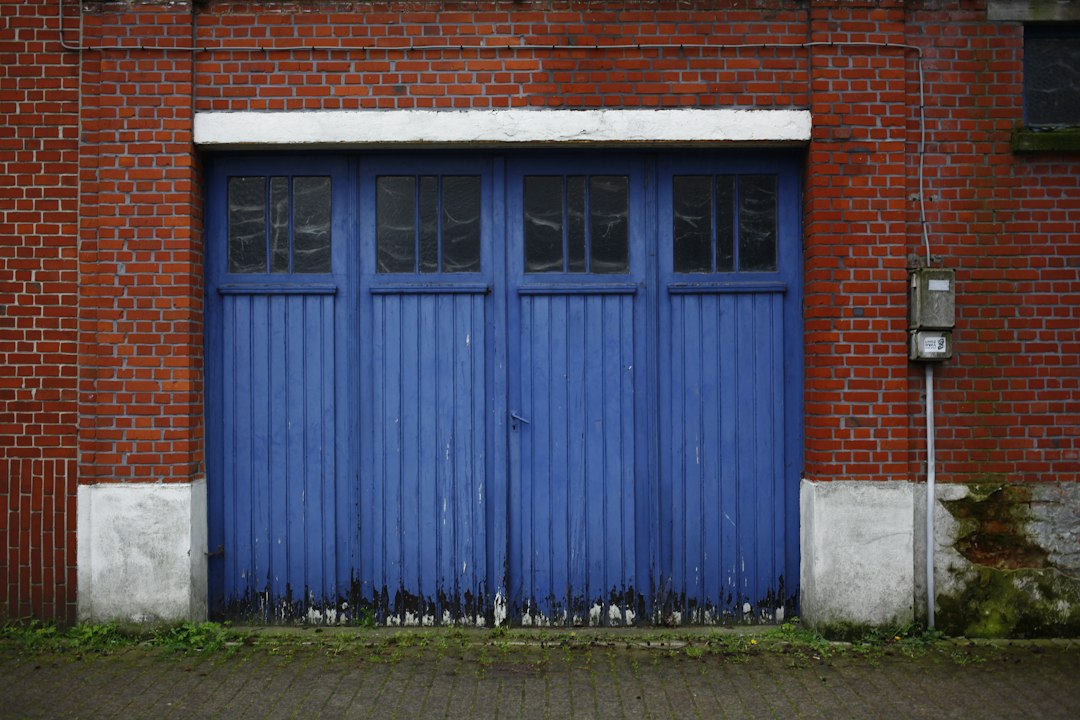
Torsion springs and opener motors belong to a technician, while tracks, rollers and weatherstripping are fair game for a Long Beach homeowner with a flashlight. Walking the door through a full cycle once a season shows most early trouble. Debris in the tracks and cracked seals are the usual finds.
The Pacific coast climate presents unique challenges for property maintenance. Salt air from the Pacific coast accelerates metal corrosion on garage door hardware. Additionally, local humidity levels impact the lifespan of weatherstripping seals. Monitoring these environmental factors assists in maintaining a functional entrance.
High winds near the Port of Long Beach require specific wind engineering considerations for door stability. Proper wind engineering ensures that a garage door remains secure during heavy gusts. For more information on maintaining local systems, consult the harbor door guide.
When a torsion spring fails, professional assistance becomes necessary for safety. If a garage door opener malfunctions or hardware shows significant corrosion, a technician in Los Angeles County can provide specialized support. Regular observation helps identify when professional intervention is needed to protect the home.
How can Long Beach residents identify common garage door issues?
Long Beach residents can identify common garage door issues by performing regular visual inspections of the tracks, rollers, and seals. A garage door functions as a complex mechanical system that relies on the alignment of various moving parts. If the door appears crooked or struggles to stay on its tracks, it may indicate that the rollers have worn down or that the tracks have become misaligned. Homeowners should look for signs of debris buildup within the metal tracks, as even small amounts of dust or pebbles can cause the door to stutter or jam during operation.
Observing the sound of the door is another effective way to spot trouble early. A smooth garage door should operate with minimal noise. Grinding, squeaking, or banging sounds often signal that lubrication is needed or that a component is nearing the end of its functional life. If the door moves slowly or stops mid-travel, the issue might reside in the sensors or the motor. Checking the bottom seal is also a vital part of this process. If light or air is visible underneath the door when it is closed, the seal is likely compromised.
Maintaining a clean environment around the garage entrance helps prevent many of these issues. Removing leaves, dirt, and sand from the garage floor ensures that the door can close completely without obstruction. When a garage door experiences sudden changes in movement, it is helpful to note exactly when the irregularity occurs. Does it happen only when the door is opening, or does the issue persist throughout the entire cycle? These observations provide valuable information for a technician.
When is a garage door opener malfunctioning?
A garage door opener is malfunctioning when the motor fails to respond to remote commands, makes unusual grinding noises, or fails to stop when the safety sensors are triggered. The garage door opener serves as the brain of the entire system, managing the electrical signals that tell the motor to engage. If the motor hums but the door does not move, there may be a failure in the drive mechanism or a disconnected gear.
Listening for irregular patterns in the motor can reveal specific types of failure. A loud clicking sound might suggest that the internal gears are stripped, while a repetitive humming could indicate a capacitor issue or a motor that is struggling to overcome resistance. If the garage door opener works intermittently, it is often a sign of electrical interference or a failing logic board. Homeowners should also check the wireless entry devices, such as remotes or keypad entries, to ensure the signal is being sent correctly.
Safety sensors are a critical part of the garage door opener system. If the door reverses direction unexpectedly or refuses to close, the sensors located near the floor may be misaligned or blocked by debris. Since the garage door opener controls the force applied to the door, any malfunction in the electronic components can lead to unpredictable behavior. It is necessary to treat the motorized unit with care, as electrical components are sensitive to moisture and temperature fluctuations.
Why do torsion springs require professional attention?
Torsion springs require professional attention because they are under extreme tension and pose a significant risk of injury if they snap or are handled incorrectly. A torsion spring is located above the garage door opening and is responsible for providing the force needed to lift the weight of the door. Because these springs are tightly wound, they store a massive amount of potential energy. Attempting to adjust or replace a torsion spring without specialized tools and training can result in severe physical harm.
The failure of a torsion spring is often sudden. If a spring breaks, the garage door will become incredibly heavy and will likely not move at all when the opener is activated. This creates a dangerous situation where the door may hang unevenly or fall unexpectedly. Even if a spring has not fully snapped, a loss of tension can cause the door to operate with excessive strain on the motor and other hardware.
Professional technicians possess the specific winding bars and safety equipment required to manage the tension of a torsion spring safely. They can also assess whether the spring is correctly sized for the weight of the specific garage door in use. Replacing a spring is not just about installing a new part, but about ensuring the entire balance of the door is restored. Without this balance, the garage door opener will work harder than necessary, leading to premature motor failure and increased repair costs.
How does the Pacific coast climate affect garage door components?
The Pacific coast climate affects garage door components by introducing high levels of moisture and salt into the environment, which accelerates the degradation of metal parts. Salt air from the Pacific coast accelerates metal corrosion on garage door hardware, affecting everything from the hinges to the tracks. This corrosion can cause metal to become brittle, pitted, or stuck, making the garage door difficult to operate and eventually leading to total component failure.
Humidity plays a significant role in the longevity of the moving parts. Local humidity levels impact the lifespan of weatherstripping seals, causing the rubber or vinyl material to dry out, crack, or become misshapen. When weatherstripping fails, it no longer provides an effective barrier against the elements. This allows more moisture and salt air to enter the garage, creating a cycle of deterioration that affects the interior components and the garage door opener.
The combination of salt and humidity can also affect the lubrication on the rollers and tracks. Instead of providing a smooth surface, salt deposits can create a gritty texture that acts like sandpaper, wearing down the metal components much faster than in a dry environment. Regular cleaning and the application of specialized lubricants designed for coastal environments can help mitigate these effects, but the environmental pressure remains a constant factor in the maintenance schedule of any garage door.
What role does wind engineering play in local garage door safety?
Wind engineering plays a vital role in local garage door safety by ensuring that doors are built and installed to withstand the specific pressure changes caused by heavy gusts. High winds near the Port of Long Beach require specific wind engineering considerations for door stability. When wind hits a large, flat surface like a garage door, it creates significant pressure differentials between the inside and the outside of the structure. Without proper engineering, these forces can cause the door to buckle, bend, or even be pulled out of its tracks.
Proper wind engineering involves selecting materials and reinforcement methods that can handle these localized wind loads. This includes using heavy-duty tracks, reinforced stiles, and specialized hardware that can resist the pulling and pushing forces of the wind. For properties located near large open areas or coastal stretches, the structural integrity of the garage door is a primary component of the overall home safety plan.
Wind engineering also considers the way the door seals against the frame. A door that is not properly engineered for wind resistance may allow air to leak through the edges, which can create a vacuum effect that puts even more stress on the door panels. By adhering to specific engineering standards, homeowners can ensure that their garage door remains a secure barrier, protecting both the contents of the garage and the structural integrity of the home during stormy weather or high-wind events.
When should a homeowner call a technician in Los Angeles County?
A homeowner should call a technician in Los Angeles County when they encounter mechanical issues that involve high-tension components, electrical failures, or structural damage. If a torsion spring breaks or if the garage door becomes unbalanced, professional intervention is required immediately to prevent injury. Similarly, if the garage door opener stops responding or begins to behave erratically, a technician can diagnose whether the issue is a simple sensor misalignment or a more complex electrical failure within the motor.
Structural concerns also necessitate professional help. If the tracks appear bent, the door panels are dented, or the door is no longer sitting level in the opening, it is a sign that the system has suffered physical damage. Attempting to realign heavy tracks or repair dented panels without the proper equipment can lead to further damage or accidents. A technician can assess the extent of the damage and determine if a component needs a simple repair or a full replacement.
Environmental damage, such as heavy corrosion from the salt air, is another reason to seek professional assistance. A technician can evaluate the extent of the metal degradation and recommend hardware that is better suited for the coastal environment. By calling a professional at the first sign of significant wear or malfunction, homeowners can avoid the much higher costs associated with emergency repairs and total system failures. Early detection and professional maintenance are the best ways to ensure the long-term reliability of the garage door.